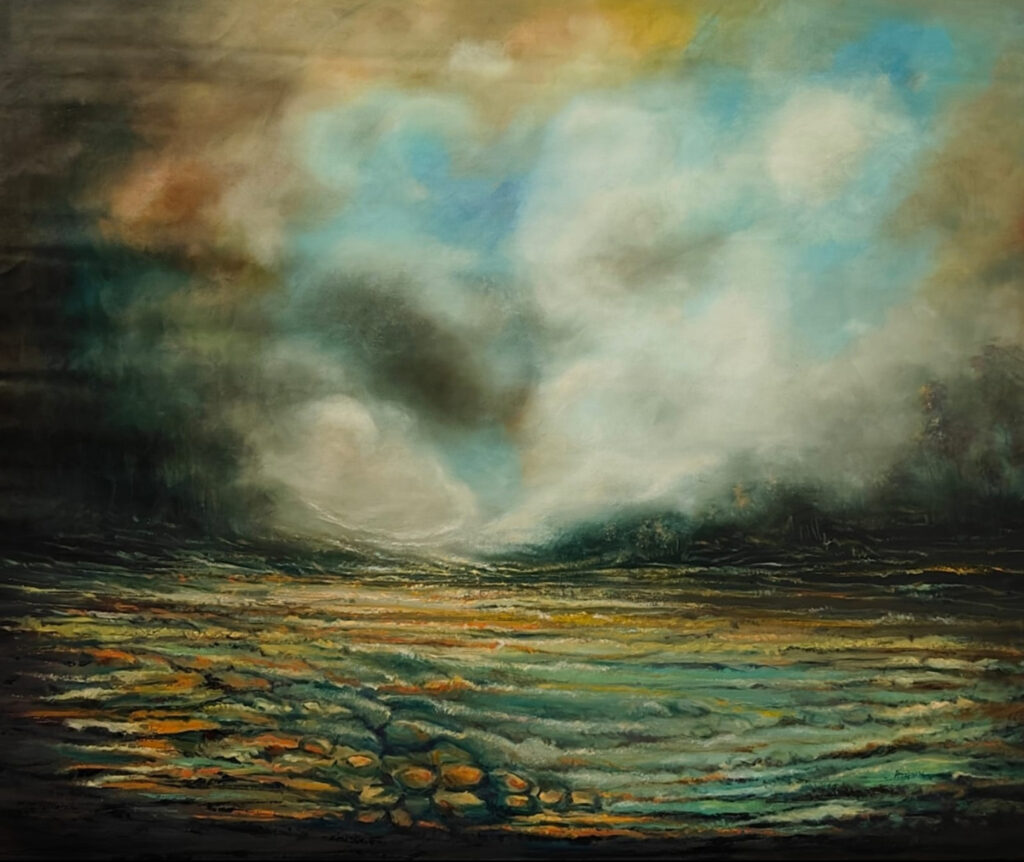
From the Visible to the Invisible
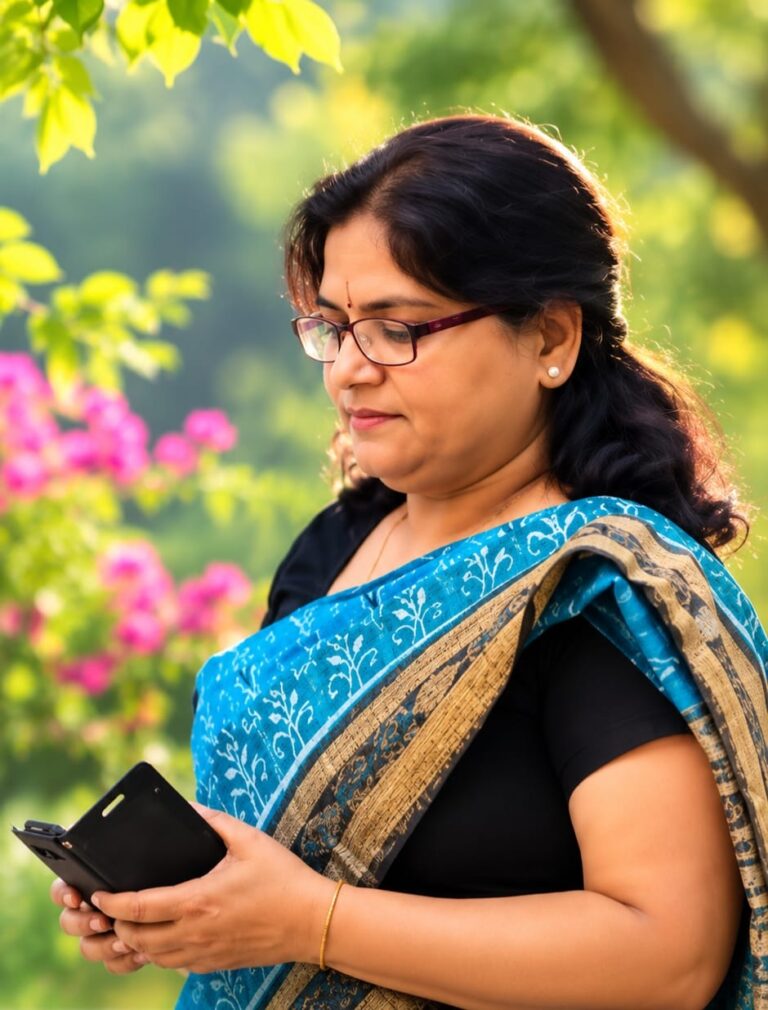
Annpurna Shukla was born on the 1st of September, 1964, and has spent the better part of her life in Jaipur, a city whose light, colour, and centuries-old visual traditions seem to have settled somewhere deep in her practice. She didn't arrive at art as a hobby that grew into a career; she built an entire life's architecture around it, as a painter, a teacher, a researcher, and eventually, a chronicler of the very traditions she grew up around. Her early recognition came through the circuit familiar to so many serious Indian artists: state exhibitions, teachers' art shows, regional Lalit Kala Akademi platforms.
Her current work tells the story of narrowing, and that's really the more interesting story. This September, that narrowing arrives at one of India's most storied art addresses, the Jehangir Art Gallery in Mumbai, with a solo show called Drishya Se Adrishya, "From the Visible to the Invisible." Opening on the 14th of September and running through the 20th at Hirji Gallery inside Jehangir Art Gallery, the show is framed by Shukla not as a landscape show but as a record of her own maturing eye.
In her own words, an artist's early years are usually spent chasing clarity, trying to render the visible world with more and more precision. But somewhere along the way, if the practice deepens, the opposite instinct takes over. Detail starts falling away. What's left isn't less, exactly, it's more distilled. A few lines, a few colours, a gesture, and somehow the whole feeling of a place survives the reduction.
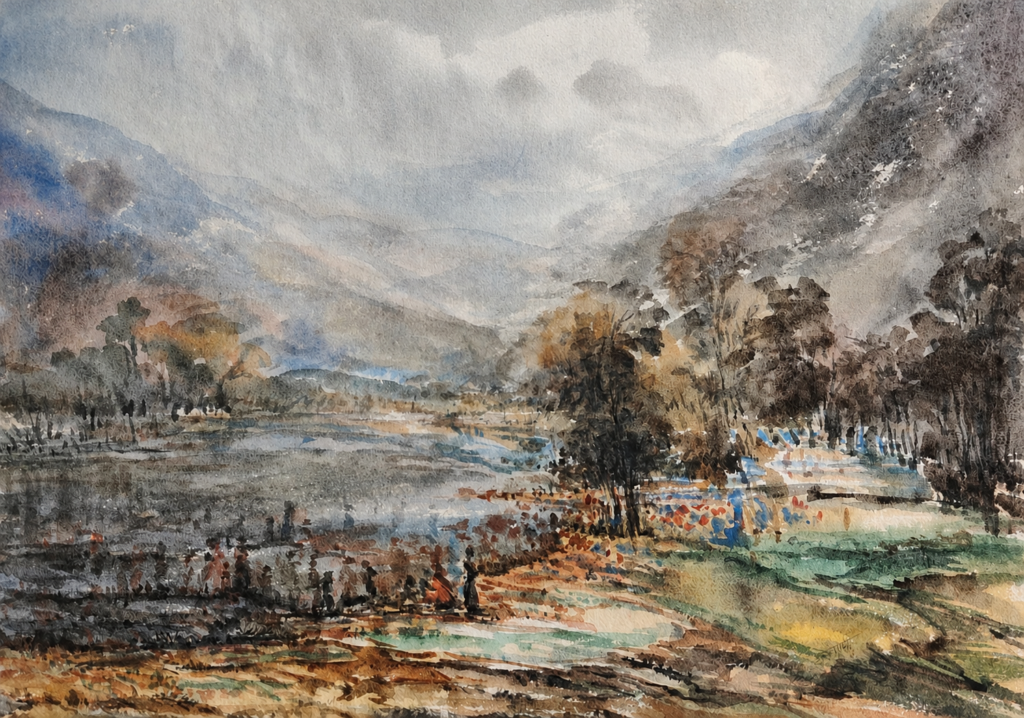
For Shukla, that's not a stylistic choice so much as a spiritual one. She describes it as a movement from the external toward the internal, from what the eye records toward the quieter consciousness that she feels pulsing behind everything visible. Nature, in this telling, was never really the subject. It was the doorway. The show builds toward this idea in